No age gate, no gatekeeping. Practical answers on fat loss, muscle, hair, sleep, and fertility, for everyone regardless of age, gender, or starting point.
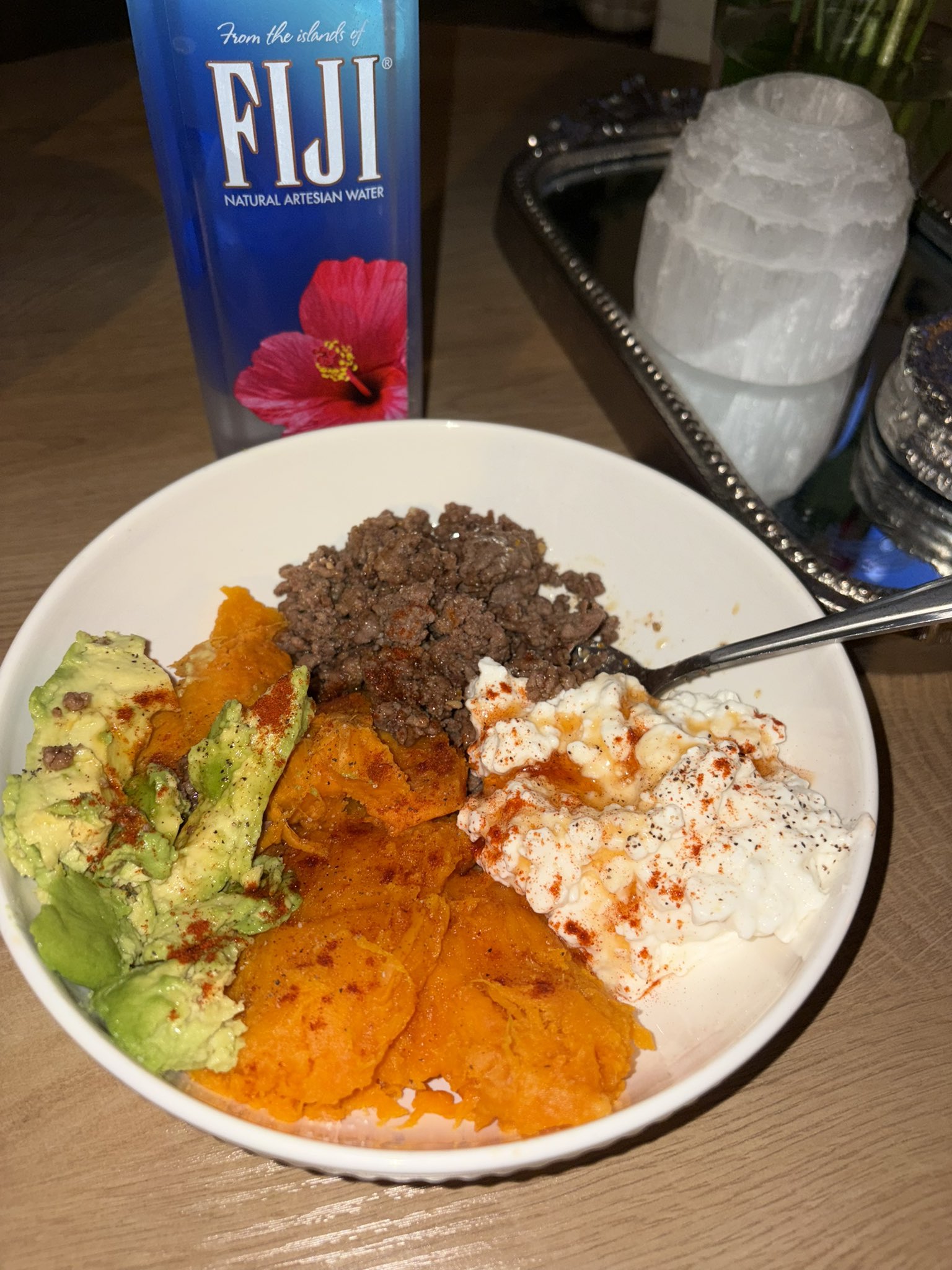
You need a calorie deficit to lose fat. You do not need to weigh every morsel of food to be in one. Counting every macro is exhausting and most people quit. Build four or five high-protein staple meals, learn to ballpark them, and do quick mental math through the day.
Aim for steady loss, roughly one to two pounds a week, which is the range that protects muscle. Judge it on your weekly average weight, never a single morning. Daily weight bounces from water, salt, and sleep, and reacting to those swings will wreck you mentally. Lift while you do it, keep protein high, and the weight you lose is mostly fat.
From your 30s on, you lose roughly 1% of muscle a year unless you train against it. Muscle is not just looks. It is insulin sensitivity, metabolic rate, and the difference between independence and frailty later in life.
Programming does not need to be complicated. Hit each muscle group at least twice a week, add a little weight or a few reps over time, and deload when recovery gets hard. Repeat for decades.
Returning after months or years off feels worse than starting fresh, because you remember what you used to do. Ignore that. Start where your body is today, not where it was.
Rebuild the habit before the intensity. Short, frequent, easy sessions for the first few weeks. Microdose it. The goal is consistency you cannot break, not a heroic first week that leaves you too sore to come back.
The biggest gap for most people is not a supplement, it is the wind-down. Screens and stimulation right up to bed leave you lying down with a racing mind.
Get physically tired during the day, keep a consistent bed and wake time, get morning sunlight, and build a real buffer before bed with reading, breathwork, or a hot shower into a cool room. Behavior first, supplements second.
Hair loss is treatable, and the tools are well known: topical minoxidil, ketoconazole shampoo, microneedling, topical GHK-Cu, and red light therapy. The earlier you start, the more you keep.
One honest caveat. The DHT-blocking drugs in this category, finasteride and dutasteride, work, but a minority of users report persistent side effects. That is a real conversation to have with a doctor who knows your history, not a decision to make off a thread online. Know the tradeoffs before you start anything.
This one matters and gets ignored. Testosterone replacement shuts down the natural signal that drives sperm production. It is often reversible, but not always, and the decision you make at a young age can follow you.
If fertility is on the table, that changes the whole conversation. Compounds like HCG, enclomiphene, and FSH are used to preserve or restore it, alongside simple steps like managing heat exposure, and supportive nutrients like CoQ10, zinc, and selenium. Fertility medicine is genuinely specialized. If this is a priority, work with a clinician before you touch anything hormonal.
A few simple tools make a weight-loss effort dramatically easier to stick to. They turn vague effort into visible data.
A consultation makes it specific to your body, your schedule, and your goals.